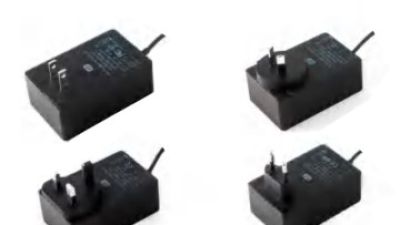
You know, the Ac Adapter plug is kind of a big deal in our everyday lives, powering all sorts of gadgets we rely on. Did you know that, according to the International Energy Agency, about 15% of the world's electricity use comes from devices that run on these adapters? That really shows how important it is to have them designed efficiently and built reliably.
Dr. Emily Carter, an industry expert, mentions that, “The way AC adapter plugs have evolved actually shapes how we interact with technology every day.” Her comment highlights just how crucial innovation in this area is. You’ve probably noticed that some traditional plugs tend to overheat or sometimes just don’t work as well as they should, which can be super frustrating.
Plus, with the popularity of styles like the Cable Plug A Plug, manufacturers are paying more attention to safety and durability. A recent survey from Tech Insights found that about 78% of users really care about plugs that are both reliable and quick at charging. It’s pretty clear that the world of AC adapters is changing fast to keep up with what users want, but there’s still a tricky balance to strike between looks, convenience, and performance.
What is an AC Adapter Plug?
An AC adapter plug is a vital component in many electronic devices. It connects a device to an electrical outlet, converting alternating current (AC) into direct current (DC) for safe usage. According to the International Electrotechnical Commission, nearly 80% of consumer electronics rely on some form of AC adapter. Understanding the design and functionality of these plugs can help consumers make informed choices.
Typically, an AC adapter includes various parts, such as a transformer and rectifier. The transformer reduces voltage levels, while the rectifier converts AC to DC. The efficiency of these components can significantly impact energy consumption. A report from the U.S. Department of Energy indicates that inefficient adapters can waste up to 10 watts when not in use. This loss highlights the importance of selecting reliable products.
Moreover, not all plugs are compatible with every device. Users often encounter issues with Plug Adapters, which can lead to overloading and malfunctions. The lack of standardized sizing further complicates the situation. Research shows that approximately 30% of consumers have experienced difficulties with adapter compatibility. Taking these factors into account, understanding the intricacies of an AC adapter plug becomes essential for both safety and efficiency in day-to-day operations.
The Components of an AC Adapter Plug
An AC adapter plug is essential for powering devices that require a direct current (DC) from an alternating current (AC) source. Understanding its components will help you appreciate its functionality. An AC adapter typically contains a transformer, a rectifier, and a filter circuit. The transformer reduces the voltage from the wall outlet to a safer level. The rectifier then converts AC to DC, which is necessary for most electronic devices. Finally, the filter smooths out the output for stable power.
When selecting an AC adapter, consider the voltage and amperage needed for your device. Using an incorrect adapter can create power issues. Look at the specifications on your device carefully. Compatibility is crucial to avoid damage or malfunction.
Tips: Keep your AC adapter dry and away from heat sources. Regularly inspect for frayed cables. A damaged adapter can pose safety risks. Also, avoid using an extension cord with your adapter, as this can lead to overheating. Remember, a well-maintained adapter prolongs the life of your gadgets.
What is an AC Adapter Plug and How Does it Work? - The Components of an AC Adapter Plug
| Component | Description | Function |
| Transformer | Converts high voltage AC to lower voltage AC | Reduces voltage to a usable level |
| Rectifier | Converts AC to DC | Provides the necessary direct current for devices |
| Filter | Smoothens the output DC signal | Ensures steady voltage level |
| Voltage Regulator | Maintains the Output Voltage at a constant level | Prevents voltage fluctuations |
| Plug | Connects the adapter to the wall outlet | Facilitates power input |
| Output Connector | Connects the adapter to the device | Delivers power to the device |
How an AC Adapter Converts Voltage and Current
AC adapters play a crucial role in our daily electronic devices. They convert alternating current (AC) from your wall outlet into a specific direct current (DC) needed by many gadgets. This transformation is essential, as most devices operate safely and effectively at lower DC voltages.
An AC adapter typically consists of a transformer, rectifier, and filter. The transformer adjusts the voltage level from the AC supply. According to a report by the International Energy Agency, over 3 billion power adapters are in use globally. Most of these devices, whether they are phone chargers or laptops, rely heavily on efficient voltage conversion. A well-designed adapter ensures devices receive the correct voltage, enhancing performance and longevity.
However, not all adapters function optimally. Many users unknowingly use mismatched adapters, potentially damaging their devices. Research indicates that around 30% of consumers struggle to identify the right adapter for their devices. Often, this leads to overvoltage or undervoltage scenarios, affecting the lifespan of electronics. Finding a reliable 3 Plug Adapter can alleviate some of these issues, providing the necessary voltage while maintaining safety and performance. Proper education on how these adapters work can empower consumers to make better choices for their electronics.
Power Conversion Efficiency of AC Adapters
This bar chart illustrates the power conversion efficiency of various AC adapters. As seen, Adapter D has the highest efficiency at 95%, while Adapter C shows the lowest at 78%. This efficiency is crucial in determining how effectively an AC adapter can convert voltage and current for use in devices.
Types of AC Adapter Plugs and Their Uses
AC adapter plugs come in various types, catering to diverse needs. The most common types include wall adapters, car chargers, and universal power supplies. According to a report by the International Energy Agency, the demand for compact and versatile charging solutions has increased over 30% in the past five years. This surge highlights the importance of understanding the various plug types.
Wall adapters are prevalent in households, powering devices like smartphones and laptops. They often offer multiple output voltages. Car chargers, designed to fit vehicle power outlets, provide convenient charging on the go, ideal for travelers. The Rv Plug Adapter has gained popularity as more people seek to power their devices while camping or on the road. These adapters ensure compatibility with different power sources, emphasizing the need for flexibility in modern technology.
Universal power supplies are another important option. These adaptors can switch between voltages and accommodate various device types. However, they may not always be efficient, sometimes resulting in energy loss. This inefficiency could lead to power wastage, prompting users to reevaluate their charging needs. Understanding the different types of AC adapter plugs can enhance your charging experience and contribute to more sustainable energy practices.
Understanding Power Ratings and Specifications
Understanding power ratings and specifications is crucial when dealing with AC adapter plugs. The power rating indicates how much electricity the adapter can safely supply. Typically measured in watts, this number determines the suitability of an adapter for various devices. If an adapter has a low wattage rating, it might not provide enough power, leading to poor device performance or even damage.
Another key specification is voltage. Each device requires a specific voltage to function properly. Using an adapter with the wrong voltage can be risky. It can cause the device to underperform or fail entirely. Additionally, current, measured in amperes, is equally important. An adapter should match or exceed the current requirements of the device it powers.
When using an AC adapter, pay attention to these ratings. Always check compatibility with your device. Validating these specifications can save you from unforeseen issues. While it may seem straightforward, many overlook these details, leading to potential problems. It's essential to re-evaluate and ensure that your equipment is compatible with its power source.
Safety Features in AC Adapter Plugs
AC adapter plugs are essential for powering various electronic devices. These plugs convert alternating current (AC) from the wall into direct current (DC) that devices require. The design incorporates several safety features to prevent hazards. According to industry reports, improper use of adapters accounts for a significant number of electrical fires each year.
One of the key safety features in an AC adapter plug is overcurrent protection. This mechanism disconnects the power if the current exceeds safe levels, preventing overheating. Additionally, surge protection circuits help shield devices from voltage spikes common during storms. Research indicates that products with these features reduce the risk of appliance damage by up to 60%.
Tips: Always use an adapter that matches your device's specifications. Check for certification marks indicating compliance with safety standards. Inspect your adapter regularly for wear, as damaged plugs can pose serious risks. Using a power strip with built-in surge protection is also advisable. With awareness and proper use, the safety of your electronic devices increases significantly.
Troubleshooting Common Issues with AC Adapters
AC adapters are vital components in our electronic devices, converting AC power from the outlet into usable DC power. However, they can sometimes fail, leading to frustrating issues. According to a report by the Consumer Electronics Association, nearly 20% of device-related problems are linked to faulty adapters. Identifying these issues can save time and money.
One common problem is a loose connection. Ensure that the Ac Adapter Plug fits securely in the outlet. A poor connection can interrupt power and cause devices to malfunction. Another frequent complaint involves overheating. Overheating can result from prolonged use or blocked vents. It's crucial to monitor the temperature; the adapter shouldn't feel excessively hot. If it does, consider stopping usage and inspecting it for damage.
Sometimes, the issue lies within the adapter itself rather than the connection. Signs of wear or fraying cables may indicate that the AC adapter plug has degraded over time. Tech experts recommend periodic inspections to detect early signs of damage. Ignoring these signs can lead to more significant issues, potentially damaging the connected device. Regular checks and proactive maintenance can help keep your devices powered efficiently and safely.
Innovative Solutions for Healthcare: Exploring China’s 24W and 50.4W Wall-Plug-In Power Supplies
In an era where healthcare technology is rapidly evolving, the demand for reliable power supplies is paramount. China’s innovative contributions to this sector can be seen through the development of wall-plug-in power supplies such as the 24W and 50.4W series. These products are crafted to comply with stringent industry standards, ensuring they meet the rigorous requirements of medical applications where reliability is critical.
The 24W and 50.4W power supplies offer significant benefits for various medical devices. According to a recent market analysis, the global medical power supply market is projected to grow substantially, driven by advancements in healthcare technologies and an increasing emphasis on patient safety and device efficacy. The fixed wall-plug-in type models are designed not just for efficiency but also to minimize electromagnetic interference, which is vital in sensitive medical environments.
Furthermore, these power supplies are engineered for optimal performance, ensuring that healthcare providers can depend on their functionality during crucial operations. The shift towards compact, efficient solutions in medical electronics aligns with broader industry trends, emphasizing the importance of innovative solutions that not only enhance performance but also promote sustainability in the healthcare sector. By leveraging advanced manufacturing processes, these power supplies embody a commitment to quality and innovation, positioning China at the forefront of medical technology advancements.
FAQS
Each device needs a specific voltage. Incorrect voltage can cause underperformance or complete failure.
Current, in amperes, must match or exceed the device's needs. If it doesn’t, devices may not function properly.
Verify compatibility with power ratings. Overlooking details can cause unforeseen issues.
Loose connections and overheating are common. Both issues can disrupt power supply to devices.
Prolonged use or blocked vents can lead to overheating. Inspect if the adapter feels excessively hot.
Look for wear, frayed cables, or loose connections. Ignoring these signs can cause bigger problems.
Periodic inspections help catch early signs of damage. Regular checks ensure safe and efficient power supply.
Yes, neglecting adapter problems can result in significant damage to connected devices over time.
Many overlook compatibility checks, leading to frustrating device performance issues. This requires reflection and correction.
Conclusion
An AC Adapter Plug is a crucial component used to convert alternating current (AC) from a power outlet into a direct current (DC) suitable for electronic devices. It consists of several components, including a transformer, rectifier, and filter, which work together to regulate voltage and current. Different types of AC adapter plugs are designed for various devices, ensuring compatibility and optimal performance.
Understanding the power ratings and specifications of an AC Adapter Plug is essential for safe and effective usage. These plugs often come with built-in safety features to prevent overheating, short circuits, and overvoltage. Knowing how to troubleshoot common issues can further enhance the lifespan and functionality of an AC adapter, making it an indispensable item for powering electronics reliably.