When it comes to China’s Female Adapter manufacturers, they basically serve folks who need trustworthy connections for hydraulic, pneumatic, plumbing, or industrial setups. But honestly, picking the right supplier isn’t just about finding the cheapest quote. It’s super important to look into details like what materials they use, how precise the threads are, pressure ratings, sealing options, and their inspection records. A tiny mistake, like a rough thread or uneven seal, can lead to leaks, hold-up during installation, or even costly redo’s — nobody wants that mess!
A good rule of thumb is: “A reliable female adapter starts with knowing exactly what you need, not just picking one off a catalog.” Now, that’s more of an expert’s advice, not a firm quote—so if you’re publishing this info, make sure to replace it with a verified statement from a legit industry pro. Also, don’t hesitate to ask manufacturers for detailed drawings, material certificates, sample parts, and info about how they control quality. Little checks like these really add up.
This guide is meant to introduce you to Chinese manufacturers and highlight what you should compare when making a shortlist. Things like their product variety, ability to customize, responsiveness, consistency in production, and export history all matter. For instance, ask if they can provide documentation on thread types and tolerances, and whether their samples truly match the final products. Having a fancy factory profile is nice, but you’ve got to verify their claims with actual product records and clear, straightforward answers. Keep in mind, capabilities differ from one supplier to another—so, what works for one application might not suit another. It’s all about matching their skills to what you need technically.
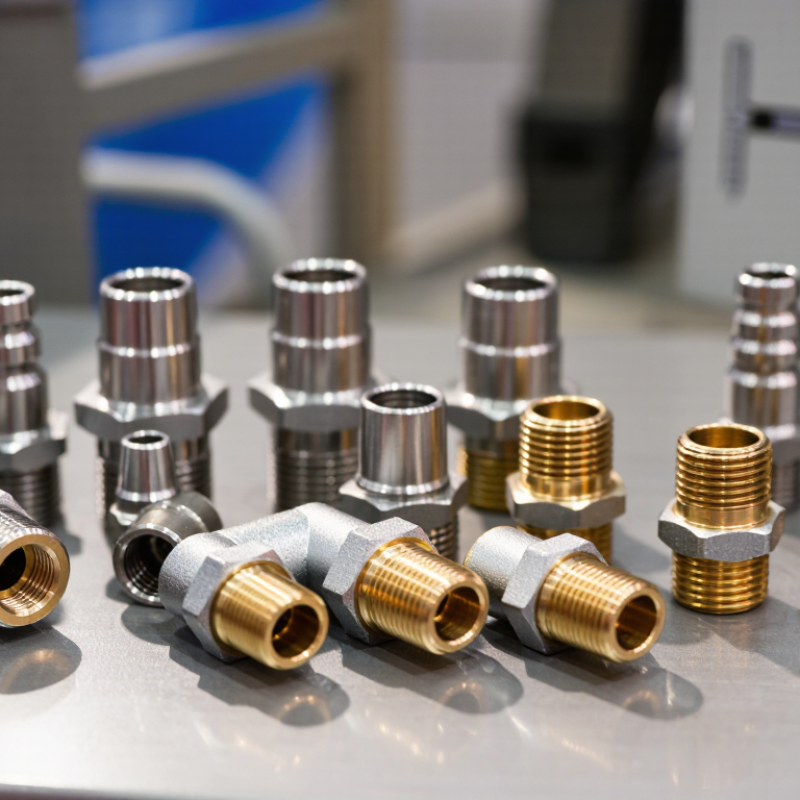
What Female Adapters Are: Connector Gender, Interface, and Common Uses
A female adapter connects one interface to another while presenting a receptacle, socket, or internally threaded opening on at least one side. “Female” describes the connector end, not the adapter’s full function. A Female Connector may accept a matching male plug, but connector names can differ across industries. Check the drawing, not just the label. A coaxial socket, a pipe-thread fitting, and an electrical receptacle are not interchangeable, even when each is called female.
Adapters are used to join cables, equipment, and fittings with different connection types. For example, a panel-mounted adapter might connect a threaded port to a cable plug. Before selecting one, compare interface type, thread size, contact arrangement, and intended use. Also verify material, temperature range, and electrical or pressure ratings where relevant. A part may fit physically yet perform poorly under vibration or repeated connection. That detail is easy to overlook.
Tips: Match both ends to the mating parts. Confirm dimensions from a datasheet or drawing. For electrical connectors, check pin layout and ratings; for threaded fittings, verify thread form and size. If specifications are unclear, pause and ask the supplier. Guessing is tempting, but it can waste time.
Key Female Adapter Types for Power, RF, Audio, and Data Connections
Female adapters connect cables, panels, and devices, but the right type depends on the signal and operating conditions. For power, common options include DC barrel couplers and panel-mount sockets. Check the voltage, current rating, polarity, and contact fit before selecting one. A loose socket can interrupt power, especially when a cable moves during use.
RF connections need closer attention to impedance and shielding. Female-to-female coaxial adapters are available for interfaces such as SMA, BNC, and N-type connectors, with 50-ohm or 75-ohm designs used for different systems. For audio, 3.5 mm, 6.35 mm, and XLR sockets serve different cable and equipment needs. Pin layout matters. So does strain relief.
Data adapters may use USB, RJ45, or other interfaces, and physical fit alone does not confirm compatibility. Buyers evaluating manufacturers in China can ask for dimensional drawings, material details, inspection records, and sample testing. Useful checks include contact resistance, mating stability, and housing strength. A neat drawing is not enough. One easy mistake is treating similar-looking female sockets as interchangeable; they often are not. Clear specifications make sourcing more reliable, though real-world cable routing can still expose issues that a bench test misses.
How to Compare Compatibility, Contact Resistance, Current, and Voltage Ratings
A reliable comparison of female adapter manufacturers in China starts with the mating interface. Confirm pin count, pitch, keying, shell dimensions, and polarity. Check the adapter drawing against the cable or device specification; similar-looking connectors do not always fit safely. Request a sample and verify the fit by hand, then check for looseness after repeated connection cycles. Small gaps matter. Ask for inspection records and test conditions, not just a polished datasheet. Sometimes those details are missing.
Contact resistance affects heat and voltage drop, especially under sustained load. Ask how it is measured and whether the result applies to the finished adapter. For low resistance, a four-wire measurement can reduce errors from test leads. Compare the rated current with the actual load, and leave practical headroom rather than choosing a rating that barely matches. Check voltage rating against the system’s operating voltage and insulation requirements. Then test the assembled connection under representative load, watching for unusual warmth or unstable output. A tidy specification sheet is useful, but it cannot replace a real sample test; I would keep that distinction in the purchasing notes.
Comparing Female Adapter Ratings: Current, Voltage & Compatibility
Representative ratings for common connector interfaces. Actual limits depend on the specifiC Adapter, cable, and applicable standard.
| Interface reference | Compatibility to verify | Representative voltage | Contact resistance |
| USB 2.0 downstream port | USB-A connector and USB 2.0 power/data requirements | 5 V | Check the adapter datasheet; there is no single value applicable to every product. |
| USB Type-C, 5 A capable configuration | Type-C fit, supported USB Power Delivery profile, and an e-marked cable when required | Up to 20 V for the stated 5 A reference | Compare the manufacturer’s specified maximum and test conditions. |
| IEC 60320 C13/C14 reference | Matching IEC 60320 inlet and connector, regional approvals, and equipment rating | Up to 250 V AC for the common 10 A reference | Use the specific product specification and applicable safety approvals. |
How to compare: Confirm mechanical fit and electrical protocol first, then check that the adapter’s current and voltage ratings meet the application. Contact resistance is product- and test-condition-specific, so compare published maximum values using the same measurement method. These are representative interface references, not universal ratings or a substitute for the product datasheet.
USB-C Adapter Capabilities Under USB PD 3.1’s 240 W EPR Limit
USB-C adapters built for USB PD 3.1 EPR must handle more than a familiar connector shape. The standard supports up to 240 W at 48 V and 5 A, but every link must be rated for that load. That matters. A capable power source, an EPR-rated cable, and a compatible device must negotiate the same power profile.
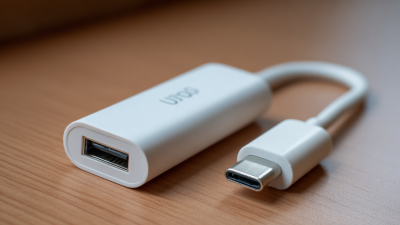
For manufacturers of Usb Type C Female adapters, contact design and heat control deserve close attention. At 5 A, weak contacts or poor soldering can create unwanted resistance and heat. A compact shell may look clean, yet leave little room for thermal management. Not quite enough. Product teams should verify current and voltage limits, connector temperature, and repeated insertion performance under realistic conditions.
Clear labeling helps global buyers distinguish an EPR-capable adapter from a basic USB-C coupler. A female port alone does not guarantee 240 W operation. Testing should cover power negotiation, cable compatibility, and behavior under sustained load, not just a brief bench check. One detail is easy to miss: an adapter can restrict the system even when the charger and cable meet EPR requirements. Manufacturers should state tested limits plainly, and revisit them when materials or housing designs change.
Using IEC 60529 IP Codes to Specify Protection Against Dust and Water
China Top Female Adapter Manufacturers for Global Buyers
Using IEC 60529 IP Codes to Specify Protection Against Dust and Water
For female adapters, an IP code helps buyers specify enclosure protection, not overall product quality. IEC 60529 assigns the first digit to solid-object protection and the second to water protection. An “X” means that position has not been rated. Small detail. But it matters when comparing quotations.
Under IEC 60529, IP6X indicates a dust-tight enclosure, while IP5X permits limited dust ingress that must not impair operation. IPX4 covers splashing water; IPX5 tests resistance to water jets. IPX7 addresses temporary immersion, commonly described as one metre for 30 minutes, subject to the standard’s test setup. These are test conditions, not promises that every installed adapter will remain protected.
Specify the rating with the adapter’s real use in mind. Will it sit outdoors, face hose spray, or be submerged during cleaning? Ask suppliers for IEC 60529 test reports covering the exact model and its assembled state. A seal may work only when the connector is fully mated. That detail is easy to miss. IP ratings also do not establish resistance to corrosion, chemicals, or impact, so list those requirements separately. A higher number is not automatically the better choice; I’ve seen specifications become less useful when they omit how the part will actually be handled.
How to Evaluate Chinese Manufacturers: Materials, Testing, and Traceability
When evaluating Chinese female adapter manufacturers, look beyond polished product photos. Ask what materials are used for the housing, contacts, and cable, and request specifications for each part. A Usb Female Connector should fit firmly without excessive force. Check contact plating details and inspect samples for uneven seams, loose ports, or sharp edges. Small defects matter.
Testing should match the product’s intended use. Request records for insertion-and-withdrawal cycles, electrical continuity, and temperature rise under stated conditions. Ask how many samples were tested and whether failed units were included in the report. A single pass certificate tells you little. If possible, compare samples from different production batches; performance can vary, and that is worth acknowledging.
Traceability makes quality claims easier to verify. Ask whether the manufacturer can link a finished batch to material lots, inspection dates, and test records. Check that labels and documents use consistent model numbers. A tidy spreadsheet is helpful, but it is not proof by itself. Review a real sample record and clarify who handles changes to materials or processes. Some suppliers may not document every detail perfectly; note the gaps, agree on corrective steps, and reassess before placing a larger order.
Global Buyer Checklist: Certifications, Samples, MOQ, Lead Time, and Warranty
For global buyers, choosing a China-based female adapter manufacturer requires more than a competitive quote. Request current test reports and confirm which model numbers they cover. Check pin spacing, housing material, and rated current against your drawings. A Sma Female Connector should mate securely without forcing the cable. Fit can vary. Ask suppliers for a pre-production sample and inspect it with the intended cable and enclosure. Record any mismatch before approving tooling or a larger order. For certification, verify the scope, issuing body, and validity; a catalog logo alone is not proof.
Tips: Send each supplier the same drawing and inspection checklist. Compare sample dimensions, connector retention, and finish under good light. Keep dated photos. Details matter.
Confirm the MOQ in writing, including whether small trial orders carry a setup charge. Ask for a lead-time schedule that separates sampling, production, and shipping. Holidays and component shortages can shift dates. Before paying a deposit, define the warranty period, covered failures, evidence required, and remedy. A clear process helps, but it cannot prevent every defect. That part deserves review.
FAQS
Check voltage, current rating, polarity, and contact fit. A loose socket can interrupt power when a cable shifts.
Not always. Check the interface and dimensions before ordering; appearance alone can be misleading.
Match the connector interface and impedance. Systems may use 50-ohm or 75-ohm designs, and the wrong match can affect performance.
Match the socket to the cable and equipment. Common sizes include 3.5 mm and 6.35 mm, while pin layout and strain relief also matter.
Not necessarily. Check interface compatibility and test mating stability. A snug fit can still hide a mismatch.
Ask for dimensional drawings, material details, inspection records, and samples. Test contact resistance, housing strength, and connection stability.
The first digit rates protection against solid objects; the second rates water protection. An “X” means that position has not been rated.
IP6X means dust-tight; IP5X allows limited dust ingress that must not impair operation. IPX4 covers splashes, IPX5 water jets, and IPX7 temporary immersion under specified test conditions.
No. Check reports for the exact assembled model, and confirm whether its seal works only when fully mated. Real cable routing can still expose problems. An IP rating also does not establish resistance to corrosion, chemicals, or impact.
Conclusion
A Female Adapter connects plugs or cables with different genders, interfaces, or formats, helping equipment work together across power, RF, audio, and data applications. Choosing the right type means checking connector shape and pin layout, as well as contact resistance, rated current, and voltage. For USB-C products, confirm that the adapter’s design and connected equipment support the intended USB Power Delivery features; USB PD 3.1’s Extended Power Range can reach 240 W when the complete system is appropriately rated and configured. Where exposure to dust or water matters, use the relevant IEC 60529 IP code to define the required level of protection.
When evaluating Chinese manufacturers, buyers can review material specifications, production controls, test methods, and product traceability, then request samples to verify fit and performance. A practical purchasing checklist should also cover applicable certifications, minimum order quantity, lead time, warranty terms, and support for documentation. Comparing these details alongside electrical and environmental requirements helps buyers select a Female Adapter suited to its intended use and reduces the risk of compatibility or reliability issues.