Leave Your Message
Request a Quote

Blog

How to Choose a Phone Power Bank for Global Sourcing

How to Choose a Phone Power Bank for Global Sourcing

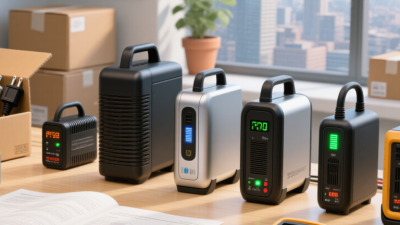
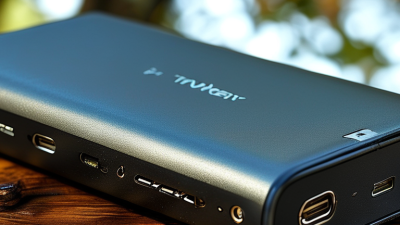
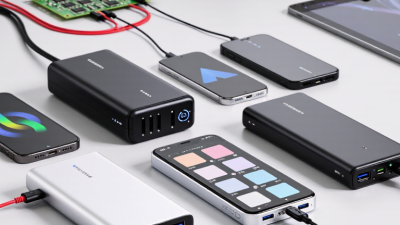
Picking a Phone Power Bank for global sourcing isn’t just about capacity. Honestly, it’s a product-quality call—one that touches batteries, charging protocols, packaging, testing, and how disciplined a supplier really is. A unit stamped “20,000mAh” can behave very differently in the real world, especially when you’re topping up a phone during airport transfers, outdoor work, or back-to-back business meetings. Dr. Venkat Srinivasan, Director of the Argonne Collaborative Center for Energy Storage Science, put it well: “A battery is a system, not just a cell.” That idea matters a lot when you’re comparing suppliers. Buyers should look at cell chemistry, rated output, conversion efficiency, thermal controls, and cycle-life evidence. Ask for test reports, factory audit records, and clear explanations of the protection features. Don’t just trust nice product photos. A practical sourcing review should cover USB-C input and output, Power Delivery support, charging speed, weight, dimensions, and airline-use restrictions. The housing should feel solid—no loose seams, no sharp edges. Labels need to stay readable after being handled again and again. Small details matter. And yes, there’s room for doubt. A supplier with great samples may still struggle to keep mass production consistent. A low price can hide weaker cells, limited testing, or unstable component sourcing. That’s why buyers should order production samples and test them under realistic conditions. The strongest Phone Power Bank isn’t always the biggest one. It’s the safest, most traceable, and best suited to the target market. Global sourcing rewards careful questions—not rushed assumptions.
Read more »
Charlotte By:Charlotte - October 11, 2026
7 Best USB C to USB Converters for Global Buyers?

7 Best USB C to USB Converters for Global Buyers?

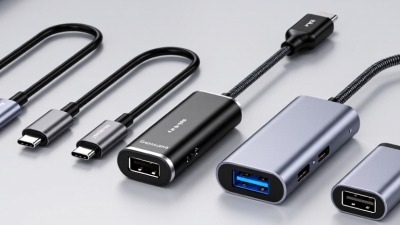
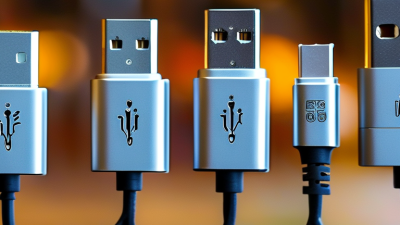
Picking the right USB-C to Usb Converter sounds easy enough... until your devices just won't talk to each other. Your shiny new laptop might be all USB-C, but that keyboard, flash drive, or printer? Still hanging onto USB-A. And the wrong adapter can lead to slow transfers, flaky connections, or charging limits you didn't see coming. Yeah, the little stuff matters. So here's a guide to seven solid options for buyers around the world, with picks from Anker, Belkin, UGREEN, Satechi, Cable Matters, StarTech.com, and Amazon Basics. But don't judge a converter by looks alone. We're looking at connector durability, USB generation, data speed, power support, heat, and how easy it is to carry around. A compact aluminum adapter might squeeze in next to a crowded laptop port. A reinforced cable can survive a messy work bag way better than some thin plastic shell. Brand name helps, sure, but it shouldn't be a substitute for reading the specs. Compatibility is where things get tricky. Not every USB-C port supports the same features, and some devices need extra power. A converter made for data might not charge anything. A 'high-speed' model can still crawl with an older drive. It's easy to miss that. This selection is meant to make those trade-offs a bit clearer, using real-world buying points instead of glossy marketing talk. Results depend on your host device, cable quality, and operating system. Even the best adapter isn't universal. So check your ports carefully before you hit order.
Read more »
Amelia By:Amelia - October 7, 2026
Top 10 Battery Charger Manufacturers for Global Buyers

Top 10 Battery Charger Manufacturers for Global Buyers

Picking a reliable battery charger manufacturer isn’t just about comparing prices or the advertised charging speeds. Trust me, there’s more to it. Buyers around the world need to look into safety features, how consistent the products are, what the warranty covers, the kind of technical support they offer, and whether the product is compatible with local electrical standards. I mean, a charger might look super powerful on paper, but it could turn out to be pretty useless when exposed to heat, dust, or unstable power supplies. In this guide, I’m highlighting ten well-known manufacturers like Delta Electronics, Schneider Electric, ABB, Siemens, Eaton, Exide Technologies, CTEK, NOCO, Victron Energy, and Schumacher Electric. These brands serve a variety of markets—from auto workshops and marine setups to big industrial plants and even electric mobility. Their product lines, certifications, charging tech, and after-sales support can be quite different. And trust me, that kind of variation really matters. So yeah, specs and fit both matter a lot. We’re focusing here on real-world stuff—things you can actually verify, like datasheets, safety features, charging profiles, enclosure ratings, how easy they are to install, and what kind of warranty coverage you get. Plus, it’s important to see if the manufacturer provides clear manuals, support for replacements, and quick, helpful responses, especially if you’re buying internationally. For larger orders, it’s smart to double-check with your procurement team about local voltage standards, connector types, customs, and whether after-sales service is accessible in your area. Now, no list is perfect. A manufacturer might be strong in one region or for certain models, but weaker in others. Some brands excel in engineering but don’t offer much customization. Others might be flexible but lack good documentation. My goal here isn’t to give you a final verdict—just to offer a balanced starting point. Before you decide, it’s a good idea to test out samples, look over all the compliance documents, and get everything in writing from your supplier. That way, you’re making an informed, smart choice.
Read more »
Charlotte By:Charlotte - October 2, 2026
China Top Female Adapter Manufacturers for Global Buyers

China Top Female Adapter Manufacturers for Global Buyers

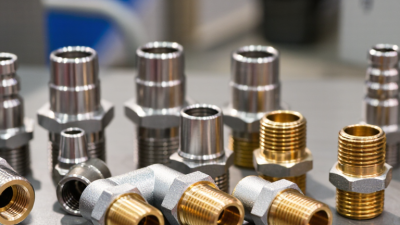
When it comes to China’s female adapter manufacturers, they basically serve folks who need trustworthy connections for hydraulic, pneumatic, plumbing, or industrial setups. But honestly, picking the right supplier isn’t just about finding the cheapest quote. It’s super important to look into details like what materials they use, how precise the threads are, pressure ratings, sealing options, and their inspection records. A tiny mistake, like a rough thread or uneven seal, can lead to leaks, hold-up during installation, or even costly redo’s — nobody wants that mess! A good rule of thumb is: “A reliable female adapter starts with knowing exactly what you need, not just picking one off a catalog.” Now, that’s more of an expert’s advice, not a firm quote—so if you’re publishing this info, make sure to replace it with a verified statement from a legit industry pro. Also, don’t hesitate to ask manufacturers for detailed drawings, material certificates, sample parts, and info about how they control quality. Little checks like these really add up. This guide is meant to introduce you to Chinese manufacturers and highlight what you should compare when making a shortlist. Things like their product variety, ability to customize, responsiveness, consistency in production, and export history all matter. For instance, ask if they can provide documentation on thread types and tolerances, and whether their samples truly match the final products. Having a fancy factory profile is nice, but you’ve got to verify their claims with actual product records and clear, straightforward answers. Keep in mind, capabilities differ from one supplier to another—so, what works for one application might not suit another. It’s all about matching their skills to what you need technically.
Read more »
Evelyn By:Evelyn - September 28, 2026
Top 10 Female Adapter Suppliers for Global Buyers?

Top 10 Female Adapter Suppliers for Global Buyers?

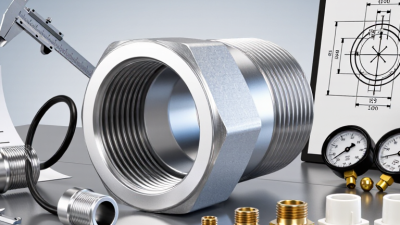
Picking a Female Adapter supplier isn't just about getting the best price. You really need to dig a little deeper—think about thread accuracy, the quality of the material, pressure ratings, and whether they maintain consistent production. A good supplier should be able to show you traceable test records, clear drawings of their products, and offer quick, helpful technical support. These little details matter a lot, especially when a tiny fitting connects stainless steel tubing, plastic pipes, or brass valves. David A. Willoughby, who’s been working as a fittings engineer for over 20 years, puts it simply: “A fitting only does its job reliably when the threads, material, and its intended use all line up.” The guy’s got a point. Even if two Female Adapters look the same in catalogs, tiny differences can make a big difference in how well they seal, how long they last, or how easy they are to install. So, before you order, it’s smart to double-check thread types—NPT, BSP, metric, whatever—and also consider corrosion resistance and operating temperature ranges. This guide takes a look at ten Female Adapter suppliers that serve markets across the globe. We consider things like product variety, how experienced they are, quality control processes, customization options, certifications, lead times, and their ability to export. Companies like Swagelok, Parker Hannifin, and Eaton are known for their solid engineering systems, but some other suppliers might offer more competitive prices or be more flexible when it comes to production. Keep in mind, no list is perfect—supplier performance can vary depending on the region, the batch, or how big your project is. That’s why it’s always a good idea to request samples, check documentation, and test compatibility before placing a big order. A fancy website doesn’t tell the whole story—real trustworthiness shows up in the details.
Read more »
Evelyn By:Evelyn - September 23, 2026
12 Best 12V USB Chargers for Global Buyers?

12 Best 12V USB Chargers for Global Buyers?

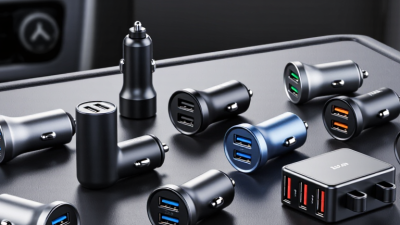
Picking out a reliable 12V USB charger isn’t just about comparing the number of USB ports or looking at the advertised wattage. Honestly, it gets a bit more complicated than that. People all over the world have different vehicles, socket types, climates, and charging needs—what works great in a compact car might act totally different in a truck, boat, camper, or farm equipment. Things like the input voltage range are pretty important, and honestly, how well the device manages heat can sometimes mean more than a shiny package catching your eye. Michael K. Lee, an independent power electronics engineer, points out a pretty solid truth: “A charger is only as dependable as its thermal design, input protection, and cable connection.” Reading that makes you go, hmm, right? Because, in reality, a small metal shell can get surprisingly hot behind your dash, loose sockets might cause those annoying charging hiccups, and even cheap cables can mess with the performance — all even if the charger itself seems powerful. These little details are easy to overlook, yet they really matter. This guide covers 12 different USB chargers made for 12-volt setups, and it’s useful whether you’re buying locally or from abroad. We look at things like how steady the output is, if they support USB-C, compatibility with USB-A, safety features, size, how you install them, and if they’re built to last in everyday use. Brands like Anker, Belkin, UGREEN, Baseus, and Scosche are all in the mix, but don’t just go by brand reputation alone—be sure to check out the specs carefully. Testing these chargers in real-world situations can really reveal what they’re genuinely capable of—or where they fall short. Honestly, ranking these chargers perfectly isn’t easy. Some folks want super-fast charging, while others prefer a slim, low-profile model that stays cool—even during long drives. You’ve also got to think about regional plug standards, warranty coverage, and how clear the product info is. The goal here is to make those choices a little less confusing. And here’s a little truth that’s kind of uncomfortable but true: the priciest charger isn’t always the safest or the best fit for what you need.
Read more »
Evelyn By:Evelyn - September 20, 2026
China Best HDMI to DisplayPort Adapter Supplier?

China Best HDMI to DisplayPort Adapter Supplier?

Trying to pick the best HDMI to DisplayPort adapter supplier in China? Well, honestly, the key isn’t about flashy packaging or dirt-cheap prices — it’s about the technical stuff backed by solid evidence. A good, experienced supplier should be able to clearly explain how the signal is converted. There’s a big difference between just plugging in an HDMI source and expecting it to work with a DisplayPort monitor. For most reliable results, you’ll want an active adapter that either needs external power or both that and proper conversion. Passive adapters? They tend to be kinda flaky because HDMI and DisplayPort signals operate differently. So, paying attention to details really matters — like supported resolutions, refresh rates, HDCP support, how they handle EDID, connector build quality, and thermal performance. As connectivity engineer Mark Chen puts it, “A stable adapter isn’t just about what the specs say — it shows itself through how well it performs in real life.” His advice is rooted in hands-on testing experience. A trustworthy supplier should be willing to share test reports, chipset info, burn-in test results, and compatibility details with various monitors, GPUs, laptops, and docking stations. Don’t just take vague claims at face value — ask if the adapter can handle 1080p, 4K, HDR, or high refresh rates under real-world conditions. Also, look for suppliers who are transparent about their quality control processes. They should be able to show inspections of incoming components, automated soldering lines, cable strain tests, and final testing to make sure everything works as it should. Before ordering in bulk, get a sample, and test it out for several hours on different screens. Keep an eye out for flickering, black screens, audio issues, or any sudden reconnections — these are signs of potential problems. Remember, the cheapest factory isn’t always the best one. Often, it’s the company that’s honest about potential flaws and documents their limitations transparently. That kind of honesty actually shows you can trust them more. Some suppliers overhype their products or overlook crucial power needs — so a professional supplier won’t hide these issues; instead, they’ll acknowledge and work to fix them. That kind of honesty isn’t perfect, but it’s way more trustworthy in the long run.
Read more »
Amelia By:Amelia - September 15, 2026
Why Use a USB to PS2 Adapter?

Why Use a USB to PS2 Adapter?

A USB to PS/2 adapter is a handy little tool that lets you connect modern USB peripherals to older computers, industrial terminals, or legacy KVM switches. Honestly, it’s great if you still prefer using a trusted PS/2 keyboard over a newer one — sometimes, that old keyboard just feels better, you know? Plus, many tech folks keep one of these adapters in their repair kit because, let’s face it, they’re small, practical, and often come in handy. Jeff Ravencraft, who used to be the President and COO of the USB Implementers Forum, once called USB “the universal connection for personal computing.” That pretty much sums up why these adapters are so popular right now. USB ports are everywhere, but PS/2 ports are slowly fading out. An adapter helps bridge that gap without having to toss out your favorite old keyboard or mess with BIOS settings during troubleshooting. It’s a simple solution to keep things running smoothly. That said, it’s not always as straightforward as just plugging it in. Some adapters are passive — meaning they need a dual-protocol keyboard or mouse that can talk both USB and PS/2 — while others have active electronics built-in to support more devices. And performance? Well, that can vary quite a bit. Your keyboard might work perfectly, but those fancy media keys might not, or maybe your optical mouse will behave a bit wonky. It’s the little details that can make all the difference. So, when choosing a USB to PS/2 adapter, make sure it’s a good match for your device, your OS, and what port you’re planning to use. Pay attention to connector orientation, whether it supports keyboards, mice, and what power it needs. And, if possible, test it out before you rely on it for something important. Because, honestly, appearances can be deceiving—just because an adapter looks compatible doesn’t mean it actually will be. A small adapter can be a lifesaver, but it can also cause headaches if you don’t double-check those specs beforehand.
Read more »
Evelyn By:Evelyn - September 12, 2026
5 Tips to Choose the Best Coax to HDMI Converter?

5 Tips to Choose the Best Coax to HDMI Converter?

Picking out the right Coax to HDMI converter might seem straightforward at first—just a small black box, right? But then you run into flickering images, sound cutting out, or just no picture at all. Sometimes, it’s the tiniest details that make all the difference in compatibility, signal quality, and build. So, in this guide, I’m sharing five practical tips to help you make a smarter, safer choice. And honestly, it’s all about the real-world details—forget about those sleek packaging pics. As Daniel Harper, a senior video systems engineer at SignalBridge Technologies, puts it, “Conversion starts with the signal you provide. A converter can’t fix a bad or super weak source.” That’s especially true if you’re dealing with old cable setups, CCTV gear, or legacy receivers. Before you buy, make sure you know what kind of coaxial output you’ve got, what video resolutions it supports, the audio formats it can handle, and whether it needs external power—because many do. It all begins with the source signal. Then, dive into the specs. A good Coax Adapter should clearly mention input standards—whether it’s PAL, NTSC, RF, or composite, just to name a few. Look for stable output at 720p or 1080p, low latency, and tested audio support. These little details really matter when you’re just trying to enjoy your shows without hassle, and they can save you from sending stuff back or regret later. But here’s the thing—specifications aren’t foolproof. I once thought a pricier converter would automatically be better, only to find out that the cable quality was the real bottleneck. Lesson learned! It’s also smart to check how sturdy the connectors are, if the device runs cool enough, what the warranty covers, and what users are saying after long-term use. Be cautious of vague claims like “universal”—without actually explaining what that means. Remember, the most expensive converter doesn’t always mean it’s the best for your setup. The right one is the one that fits your source device, your display, and your installation environment—reliably, and without drama.
Read more »
Evelyn By:Evelyn - September 8, 2026
2026 Top Golf Cart Battery Charger Buying Guide for Importers?

2026 Top Golf Cart Battery Charger Buying Guide for Importers?

When it comes to golf, having a dependable golf cart battery charger is pretty much a must. If you’re an importer, though, picking out the right charger can feel kind of overwhelming. I mean, there are so many brands and specs out there—how do you even decide? The key is really understanding what makes a charger work well and last long. You’ll find that different models vary quite a bit when it comes to charging speed and capacity. Some might boast about charging quickly but then fizzle out faster than you'd like. This is where having a bit of experience helps. Knowing which brands are trustworthy can save you from making costly mistakes. Honestly, a lot of folks get fooled by shiny ads and forget to check out real user reviews. Those reviews can tell you a lot about how well a charger actually performs. While you’re browsing through options, it’s a good idea to think about what you really need. Are you using the charger for a business fleet, or is it just for personal fun on the weekends? Getting clear on that will help you cut down your choices. And don’t forget to double-check if the charger is compatible with your specific golf cart model — tiny details like that can seriously impact how efficient it is and how long your batteries last. At the end of the day, making a well-informed choice means you’re more likely to end up with something reliable that you’ll actually be happy with.
Read more »
Amelia By:Amelia - August 26, 2026
Best Micro USB Charging Cable Options for Global Buyers?

Best Micro USB Charging Cable Options for Global Buyers?

In today’s fast-changing tech world, finding the perfect Micro USB charging cable can sometimes feel like looking for a needle in a haystack. I mean, there's just so many options out there, and it’s easy to get overwhelmed. According to Mark Johnson from Tech Review Solutions, having the right cable can really make a huge difference—things like device compatibility and how quickly your device charges. That’s why picking the right one isn’t just a small detail; it’s pretty crucial, especially for folks who buy gadgets from all over the place and deal with different tech standards. When you're on the hunt for a Micro USB charger, it’s not just about grabbing whatever's cheap and handy. Think about durability, length, and whether it actually charges efficiently. Using a good quality cable matters a lot—nobody wants to deal with a flimsy one that keeps disconnecting or fails after a few uses. For daily users, having a reliable cable means your devices will stay powered up without the hassle of constant replacements. That said, not all cables are created equal. Some brands might boast about super-fast charging, but then don’t really deliver. It's really worth it to do some research and check out reviews before you buy. Spending a bit more on a solid, dependable Micro USB cable can save you time, money, and a lot of frustration down the road. Yeah, the market’s packed with options, and it can be confusing—even if you’re pretty into tech. Just taking a little extra time to choose wisely can make a big difference."
Read more »
Evelyn By:Evelyn - August 18, 2026